
What's actually causing the 2022 backlog?
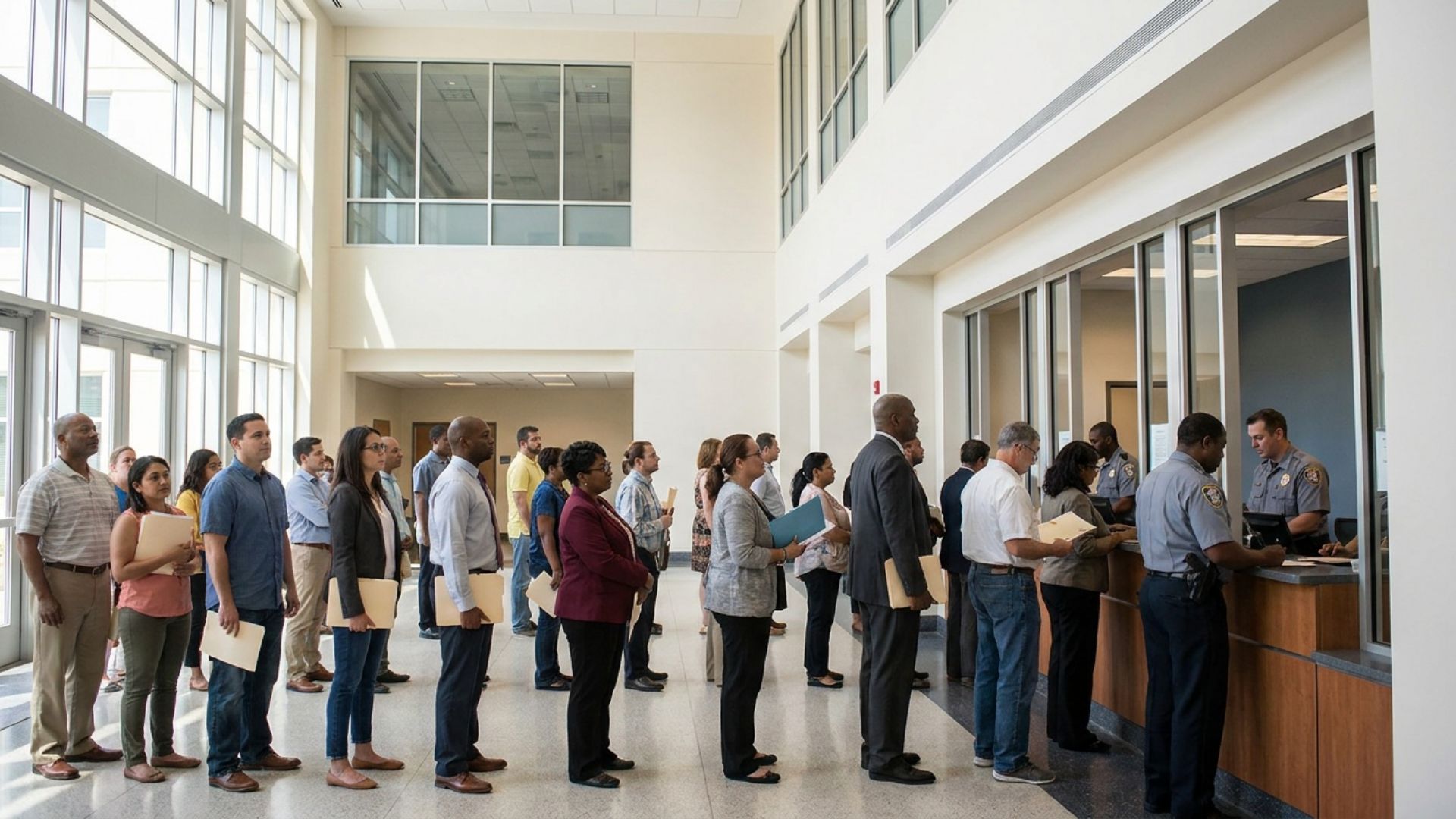
There is no mystery to the 2022 passport backlog, and no single failure behind it. It is a demand problem. For roughly two years, international travel was sharply reduced, and millions of Americans simply did not renew passports they were not using. Renewals were deferred. New applications were postponed. The work did not disappear — it pooled.
Now it has all arrived at the same time. As travel has reopened, the people who delayed for two years are applying alongside everyone who would have applied this year anyway. The U.S. Department of State has reported receiving application volumes well above its projections, in some stretches at record levels for the time of year. Even a well-run system processes a two-year wave slowly when it lands in the space of a few months.
The result, in plain terms: routine processing is running substantially longer than the pre-pandemic norm of six to eight weeks, and expedited service through the government is slower than travelers remember as well. The exact figures shift through the year, so the number to trust is the current one published by the State Department on the day you apply — not what a friend experienced last year.
How does this change planning a summer trip?
For summer travel, this changes one thing above all: the order of operations. The instinct is to book the flight first, because the fare is the exciting part, and to deal with documents later. In 2022, that order is backwards.
Before you book anything, check the passport. If it is valid comfortably beyond your trip — well past the six-month mark that many countries require — you are free to book with confidence. If it expires this year, or you are not certain, treat the renewal as the first reservation of the trip. Start it before the flight, not after.
The travelers who run into trouble in a summer like this are rarely the ones who left it dangerously late on purpose. They are the ones who assumed a renewal would take about as long as it did the last time, planned around that memory, and lost weeks they did not know they had spent. Build in far more cushion than feels necessary. If you are applying through the standard government channel, think in months, not weeks. Start the process early in the spring for an August trip, and the backlog quietly becomes someone else's problem rather than yours.
What are your options if your timeline is already tight?
If you are reading this in April with a summer trip already booked and a passport that will not be ready in time through routine channels, you still have paths forward.
The U.S. Department of State offers urgent appointment options for travelers with imminent international travel, and an expediting service like APVI exists precisely for this gap. We have managed time-sensitive passport and visa cases since 2003, we are registered with the Department of State, and we work alongside the official process to keep an application moving and correctly assembled. In genuinely urgent situations, a passport can be turned around in as little as 24 hours.
What an expediter cannot do is fix an application that is wrong. The single biggest avoidable delay, backlog or not, is a mistake on the paperwork — an incorrect photo, a missing signature, an inconsistency in the form — that sends the whole application back to the start of the line. That is the real value of a specialist: getting it right the first time, when there is no time for a second.
If your summer timeline is tight, do not wait to see how it goes. Call us at (800) 766-0452 and we will tell you honestly what is realistic — and how to get there.