
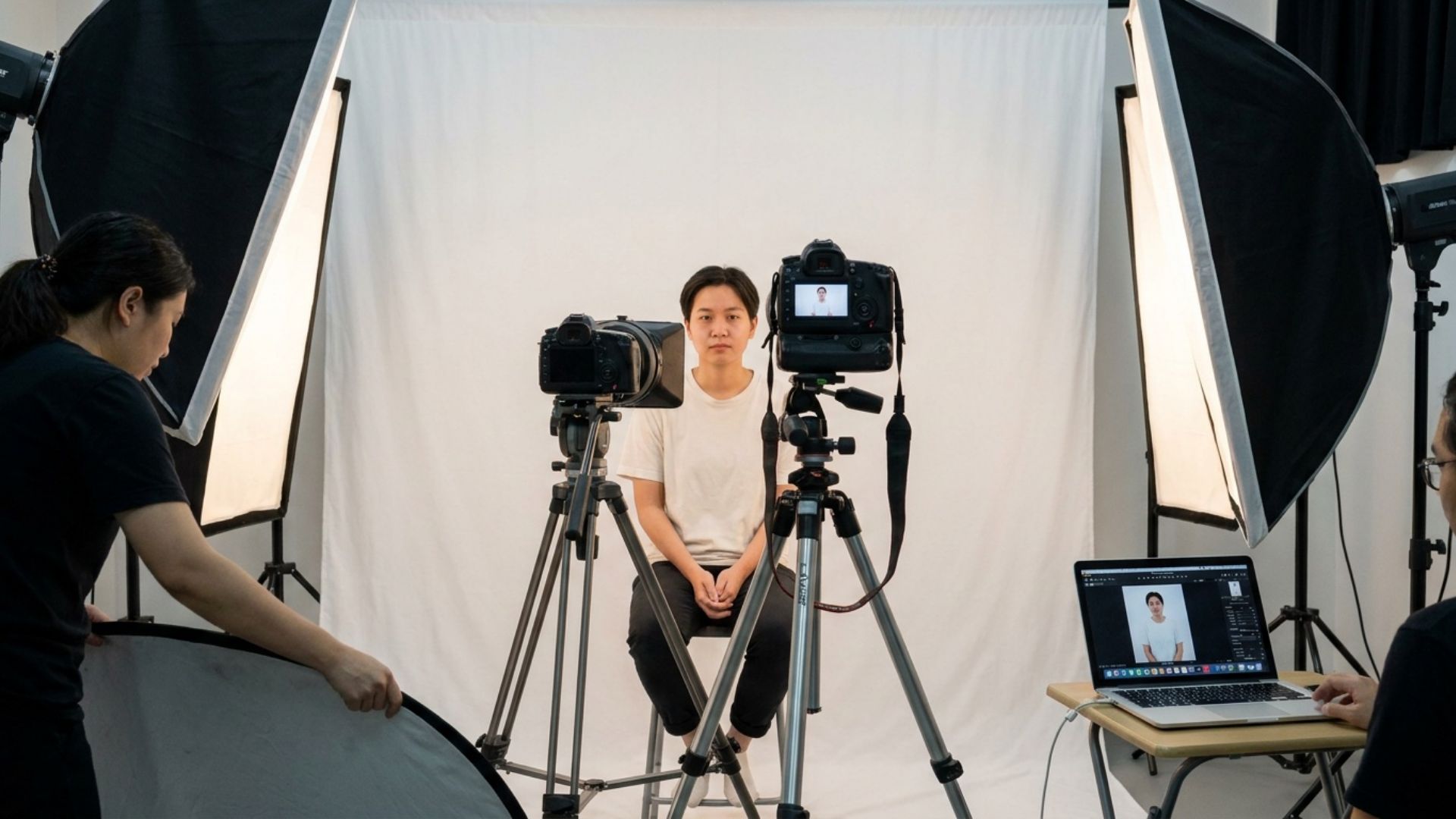
Why does the photo cause so many delays?
On a passport application, the photo feels like a formality — a small square next to all the real fields. In practice it is one of the most common reasons an application is rejected or returned, and a return is expensive in a way that has nothing to do with money.
Here is why it matters so much. When a passport application has a problem, it is generally not corrected on the spot. It is sent back. And a returned application does not resume where it stopped — it goes to the back of the queue, and the wait starts over. In a year when processing already runs long, a photo that misses a requirement can quietly cost weeks. The photo is small. The consequence is not.
The frustrating part is that photo problems are almost entirely preventable. They are not a matter of luck or timing or backlog — they are a matter of meeting a published, specific set of requirements. Unlike the processing queue, which you cannot control, the photo is completely within your control. It is worth a few minutes of real attention.
Which photo rules trip people up most?
The U.S. Department of State publishes detailed passport photo requirements, and a handful of them account for most of the rejections.
Size and recency are common ones. The photo must be a specific size, your head must fall within a specific range within the frame, and the photo must be recent — generally taken within the last six months — and must actually look like you do now. An old photo, or a heavily filtered one, is a problem.
Background catches people next. The background must be plain white or off-white, with no patterns, shadows, or objects behind you. A photo taken against a slightly busy wall is a frequent return.
Then there is everything on your face and head. Normal everyday eyeglasses are no longer accepted in passport photos — they must be removed. Hats and head coverings are not allowed except for documented religious or medical reasons. Your expression should be neutral or a natural smile with both eyes open, and uniforms or camouflage-style clothing should be avoided. None of these rules are obscure. They are simply easy to overlook when a photo is taken quickly.
How do you get a photo accepted the first time?
Getting a compliant photo is straightforward once you treat it as a real task rather than an afterthought.
The simplest path is to have it taken somewhere that does passport photos regularly — a pharmacy, a shipping store, or a photo service. They know the current size and composition rules and will frame the shot correctly. If you take it yourself, read the U.S. Department of State's current photo requirements first, in full, and follow them point by point: plain white background, even lighting with no shadows, no glasses, neutral expression, recent, correct size. Then look at the result critically — far better to retake it now than to have a government office retake your whole timeline later.
A few extra habits help. Use a genuinely recent photo that reflects how you look today. If your appearance has changed significantly, use a new photo rather than last year's. And do not apply any filter, smoothing, or editing — passport photos must be unaltered.
The photo is one of the few parts of the process entirely in your hands. Get it right and you remove one of the most common causes of delay. If you would like a second set of eyes on a full application before it goes in — photo included — that is part of what APVI does. We have reviewed applications for accuracy since 2003; call us at (800) 766-0452 and we will help you submit something that moves forward instead of coming back.