
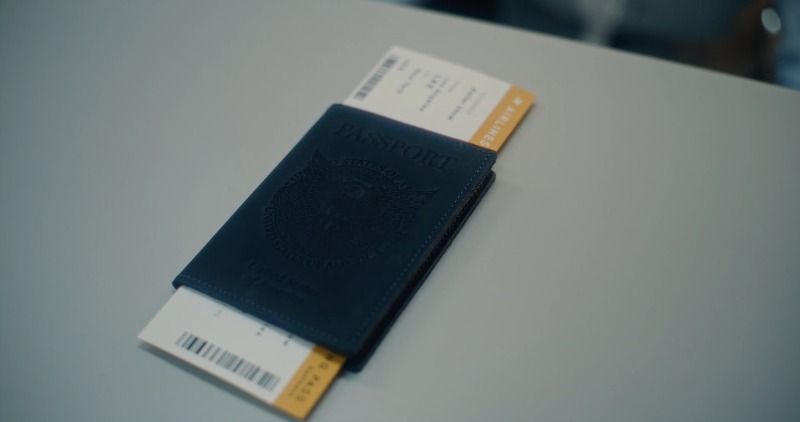
Why does an annual audit make 2026 easier?
Every January brings travel intentions — the trips you mean to take, the places that have been on the list a while. The single most useful thing you can do with those intentions, before booking a single flight, is spend fifteen minutes on your travel documents.
The logic is unchanged from any other year. A passport or visa problem found in January is a quiet errand. The same problem found in May, with a trip booked and a countdown running, is a stressful scramble. Nothing about the problem changes — only the cost of waiting. Starting the year with a clear document check buys you a calmer year for free.
What does change year to year is the context. Processing times shift, visa rules update, new entry systems come online. The audit habit catches all of it, because it is rooted not in any particular rule but in the simple act of looking — at every passport, at every destination, before any booking. Run it once each January, and the document side of travel quietly becomes a non-event for the rest of the year.
The five-minute audit, step by step
Here is the audit. Set aside fifteen minutes, gather every passport in the household, and work through it carefully once.
The passports. For each traveler, read the expiration date and apply the six-month rule — most countries require validity at least six months beyond your entry date, so a passport expiring later in 2026 may not be usable for trips you take this year. Check blank pages and physical condition. Pay particular attention to children's passports, which run on a five-year cycle and lapse on their own schedule.
The write-down. Put every traveler's name and passport expiration date on one short list, kept somewhere you will actually see it. Glance at that list before booking anything in 2026 — that is the whole point of the habit.
The destinations you are thinking about. For each, note now whether it requires a visa, an eVisa, or a pre-arrival authorization, and roughly how long that takes to arrange. Knowing this before you book changes which trips are easy and which need a head start.
The documents beyond travel. If anything this year involves a U.S. document being used abroad — a wedding, study, a legal or property matter — note that authentication may be needed, with its own lead time.
What 2026 specifically looks like for travelers
Two things about 2026 specifically are worth carrying into the audit.
First, U.S. passport processing has been running fast — routine service in the range of about four to six weeks, with expedited service around two to three weeks, before adding mailing time on both ends. That is good news for renewals, but it does not mean instant. The same advice as always applies: renew well ahead of any trip, treat the published figure as a starting estimate, and use the State Department's current published times on the day you apply.
Second, Europe's new entry systems are arriving this year. The EU's Entry/Exit System has been in phased rollout since late 2025 and is set for full implementation in April 2026 — so by the time many readers are booking summer travel, EES will be live at Schengen borders, with biometric checks at entry and exit. ETIAS, the separate online travel authorization, is expected later in 2026 and is not yet a requirement to plan around now. Confirm the current status from official EU sources close to any European trip.
That is the whole audit. A calm fifteen minutes in January, and you have moved the document side of 2026 out of the panic season. If the check turns up something — a renewal, a visa, an authentication — APVI has been guiding travelers through all of it since 2003. Call us at (800) 766-0452 and start the year ready.